
Introduction: The Dawn of Modern Fabrication
In the relentless pursuit of innovation and enhanced productivity, modern manufacturing and fabrication industries are constantly seeking technologies that offer superior precision, unparalleled speed, and remarkable versatility. Traditional methods, while foundational, often present limitations in meeting the ever-increasing demands for intricate designs, rapid prototyping, and efficient material utilization. This is where the transformative power of laser cutting services emerges as a pivotal solution, redefining what's possible in production environments across the globe.
The Growing Demand for Advanced Manufacturing
The global industrial landscape is undergoing a significant evolution. Markets are becoming more competitive, consumer expectations for customized products are rising, and the pressure to reduce lead times and operational costs is intensifying. This necessitates a shift towards advanced manufacturing techniques that can deliver higher quality components with greater efficiency. Industries ranging from aerospace to medical device production demand an ever-increasing level of accuracy and repeatability, pushing the boundaries of conventional fabrication processes. The need for agile, adaptable, and precise manufacturing solutions has never been greater, driving the adoption of cutting-edge technologies.
What is Laser Cutting? A Quick Overview
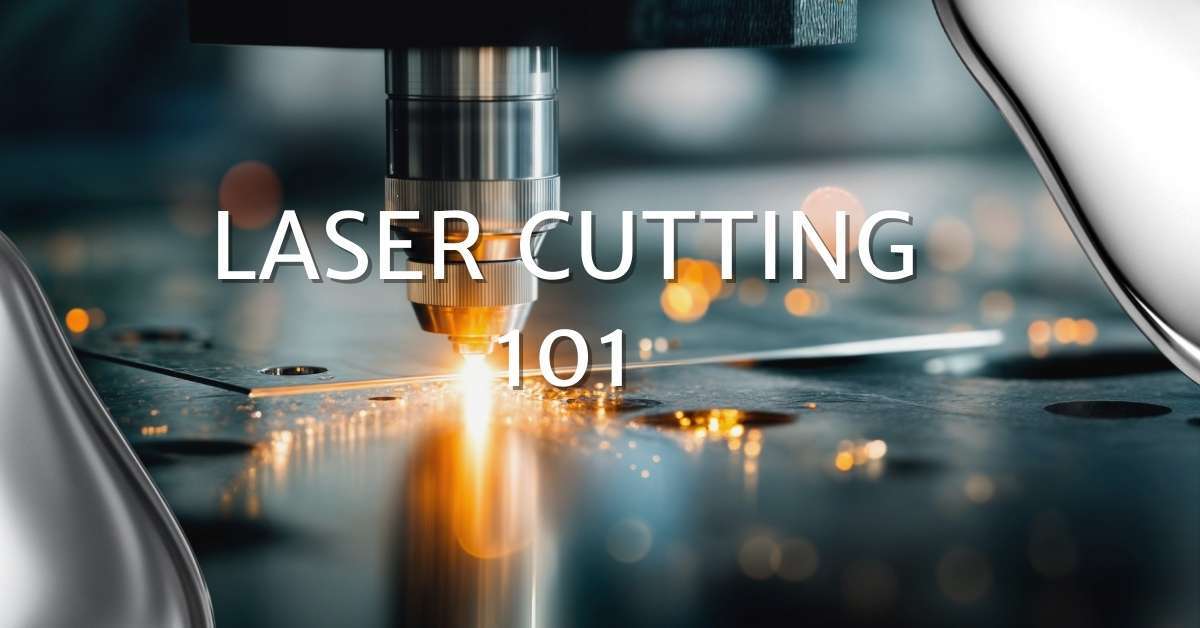
At its core, laser cutting is a thermal, non-contact cutting process that uses a highly focused laser beam to cut materials. A laser cutter works by directing the intense laser beam onto the material's surface. The energy from the laser beam melts, burns, or vaporizes the material in a localized area, while a precisely controlled assist gas (like oxygen, nitrogen, or compressed air) blows away the molten or vaporized material. This creates a narrow, clean cut known as a kerf. The process is guided by computer numerical control (CNC) systems, ensuring complex shapes and patterns are replicated with exceptional fidelity. This advanced method utilizes sophisticated optics to focus and direct the laser beam, making it a cornerstone of modern industrial fabrication.
Why Laser Cutting is Essential in Today's Industries
The integration of laser cutting into industrial processes is no longer a luxury but a necessity for businesses aiming to maintain a competitive edge. Its ability to deliver high-quality results across a broad spectrum of materials and applications, coupled with its inherent efficiency, makes it indispensable. From producing intricate components for sensitive medical devices to fabricating robust parts for automotive and aerospace applications, laser cutting offers a unique combination of benefits that traditional methods struggle to match. This technology empowers innovation, streamlines production, and ultimately contributes to a more agile and cost-effective manufacturing ecosystem.
Unmatched Precision and Accuracy: Crafting Flawless Components
In the realm of fabrication, precision and accuracy are paramount. The ability to produce components that meet exact specifications, with minimal deviation, is critical for the performance, safety, and reliability of finished products. Laser cutting services excel in this regard, consistently delivering an unparalleled level of detail and adherence to tight tolerances.
Achieving Extreme Precision and Tight Tolerances
The inherent nature of the laser beam allows for incredibly precise cutting. By focusing the powerful light into a tiny spot, often just fractions of a millimeter in diameter, the laser cutter can precisely trace complex geometries. This focus, coupled with advanced CNC control systems and sophisticated optics, enables the achievement of extremely tight tolerances.
This level of control is crucial for industries such as aerospace, where even minor deviations can have significant consequences, and in the production of intricate medical devices where component fit and function are critical.
Minimal Kerf for Intricate Details and Fine Features
One of the most significant advantages of laser cutting is its remarkably narrow kerf width. The kerf is the width of the material removed by the cutting process. Because the laser beam is so finely focused, the kerf is typically much smaller than that produced by mechanical cutting tools or even other thermal processes like plasma cutting. This minimal kerf width allows for the creation of intricate details, fine features, and complex patterns that would be impossible or extremely challenging to achieve with other methods. It also means that more parts can be nested efficiently on a single sheet of material, leading to better material utilization.
Repeatability and Consistency Across Production Runs
Human error is a significant factor in traditional fabrication methods. However, laser cutting, driven by CNC programming, eliminates this variability. Once a design is programmed into the system, the laser cutter will reproduce the exact same cut every single time, with identical precision and accuracy. This repeatability ensures that every component produced, whether it's the first part or the thousandth, will meet the same stringent quality standards. This consistency is vital for mass production, quality control, and for ensuring that assemblies function flawlessly. The trend towards the robotic segment of laser cutting machines, known for their fully autonomous operation and maximum productivity (Fortune Business Insights), further underscores this drive for consistent, high-volume output.
Accelerated Production: Speed and Efficiency That Transform Timelines
In today's fast-paced markets, time is a critical factor. The ability to produce goods quickly without sacrificing quality is a significant competitive advantage. Laser cutting services offer remarkable speed and efficiency that can dramatically transform production timelines.
⚡ High-Speed Cutting
Laser beams cut materials at remarkable speeds, especially on thin to medium gauge metals and non-metals.
🔄 Rapid Setup
CNC-driven systems require minimal setup time between jobs, enabling quick transitions.
📐 No Tooling Required
Unlike stamping or die cutting, laser cutting requires no physical tooling—reducing lead times significantly.
🎯 Reduced Post-Processing
Clean cuts with smooth edges minimize the need for secondary finishing operations.
Material Versatility: Cutting Across a Spectrum of Materials
Laser cutting technology demonstrates exceptional versatility, capable of processing a wide array of materials with high precision and quality. This adaptability makes it an invaluable tool across diverse industries.
| Material Type | Applications | Key Benefits |
|---|---|---|
| Metals (Steel, Aluminum, Stainless) | Automotive, aerospace, construction | Clean edges, tight tolerances |
| Wood | Furniture, signage, architectural models | Intricate patterns, no tear-out |
| Acrylic & Plastics | Displays, electronics, medical devices | Polished edges, precision details |
| Textiles & Fabrics | Fashion, automotive interiors | Sealed edges prevent fraying |
| Composites | Aerospace, sporting goods | No delamination, clean cuts |
Superior Edge Quality and Reduced Distortion
The quality of the cut edge is a critical measure of any cutting process. Laser cutting excels at producing exceptionally clean, smooth, and burr-free edges, often eliminating the need for secondary finishing operations.
Clean, Smooth, and Burr-Free Edges
Unlike mechanical cutting methods that can leave rough or torn edges, the laser beam produces a refined finish. The thermal action of the laser, combined with the assist gas, typically results in an edge quality that is significantly superior to plasma cutting or shearing. For applications in metal fabrication, wood, and acrylic, this means components are often ready for immediate use or assembly.
Minimal Heat-Affected Zone (HAZ)
While laser cutting is a thermal process, the highly focused nature of the laser beam and rapid cutting speeds result in a minimal Heat-Affected Zone (HAZ). The HAZ is the area around the cut where the material's properties may have been altered due to heat exposure. A smaller HAZ means that the material's original properties are preserved closer to the cut edge, reducing the risk of warping, discoloration, or changes in metallurgical structure.
Dimensional Stability: The contactless nature of laser cutting, combined with advanced motion control systems, ensures precise cuts without mechanical stress. This is particularly important for delicate components, intricate designs, and applications where tight geometric tolerances must be maintained.
Advanced Capabilities and the Future of Fabrication
The evolution of laser cutting technology is continuous, with advancements constantly expanding its capabilities and integrating it more deeply into automated fabrication workflows. These developments point towards a future where laser cutters are even more versatile and essential.
🏷️ Integrated Marking & Engraving
Many modern laser cutters can cut and simultaneously mark parts with serial numbers, logos, or identification codes on the same machine.
🔬 Micro-Drilling & Ultra-Fine Features
Essential for electronics, medical devices, and micro-robotics where components are extremely small and require intricate detailing.
🔧 Tube Laser Cutting
Specialized systems handle 3D cutting of tubes and profiles for automotive, furniture, and construction applications.
Laser Cutting vs. Traditional Methods: A Clear Advantage
When compared to traditional fabrication methods such as plasma cutting, waterjet cutting, or CNC machining, laser cutting offers distinct advantages in numerous scenarios, particularly when precision, edge quality, and material versatility are key concerns.
| Method | Strengths | Limitations vs. Laser |
|---|---|---|
| Plasma Cutting | Effective for thick metal sections | Wider kerf, rougher edges, more post-processing |
| Waterjet Cutting | No heat-affected zone, good for heat-sensitive materials | Slower on thin materials, introduces moisture |
| CNC Machining | Excellent for 3D features in hard materials | Physical tooling wear, higher cost for complex parts |
| Laser Cutting | Contactless, fast, superior edge finish | Most efficient for thin-medium materials |
Laser cutting, with its contactless nature, speed on many materials, and superior edge finish, often provides a more efficient and cost-effective solution, especially for intricate designs and a wide range of materials like acrylic and wood, alongside various metals.
The Transformative Impact on Manufacturing Industries
The adoption of laser cutting services has profoundly impacted numerous industries, empowering them with enhanced capabilities and fostering innovation.
The overarching benefit is increased agility, faster time-to-market, and the ability to offer products with enhanced features and quality, driven by advanced automation and precise fabrication.
Conclusion
In an era defined by the demand for greater efficiency, uncompromising precision, and remarkable versatility, laser cutting services stand out as a cornerstone of modern manufacturing and fabrication. From achieving sub-millimeter tolerances with its focused laser beam and advanced optics, to accelerating production timelines through high-speed automation, the advantages are substantial. The capacity to work with a vast array of materials, including metal, wood, and acrylic, coupled with its ability to produce superior edge quality with minimal distortion, makes it an unparalleled solution.
Key Advantages Summary
- Sub-millimeter precision with tolerances as tight as ±0.05 mm
- Exceptional versatility across metals, plastics, wood, and composites
- Superior edge quality with minimal heat-affected zone
- Integrated engraving and micro-drilling capabilities
- Reduced waste through optimal material utilization
- Faster production with minimal setup time
- Consistent repeatability across production runs
The integration of capabilities like engraving and micro-drilling further solidifies its role as a forward-thinking technology. While comparisons with methods like plasma cutting highlight laser cutting's edge in specific applications, its overall contribution to cost-effectiveness through reduced waste and labor, alongside its growing energy efficiency, makes it a sustainable choice. For industries from aerospace to medical devices, laser cutting is not just a cutting tool; it's an enabler of innovation, a catalyst for efficiency, and a clear path to competitive advantage in the global marketplace. Embracing laser cutting services is an investment in future-proofing fabrication capabilities and unlocking new levels of product quality and operational excellence.

