
Brinell Hardness 600–700 HB: Your Guide to Superior Crusher Wear Part Durability
Most wear-resistant steels top out well below 600 HB. The 600–700 HB range is an elite tier — engineered for the crushing conditions that defeat everything else.
In This Guide
The Critical Challenge of Wear in Crushers
Crushing operations are inherently destructive. Wear is not merely an inconvenience — it is a fundamental operational challenge. Components like jaw plates, mantles, liners, and hammers are subjected to continuous abrasion from hard aggregates, ores, and recycled materials. This abrasive action, coupled with immense stress and impact forces, leads to rapid material degradation. The consequences are direct and costly: frequent part replacements mean significant downtime, increased labor expenses, and reduced throughput.
The escalating demand for durable solutions is reflected in the broader mining equipment market, valued at USD 129.9 billion in 2024, with wear-resistant steel alone seeing over 1.2 million metric tons purchased globally by the mining sector in 2023. The question is not whether to invest in wear resistance — it is how far up the hardness scale your application demands you go.
Understanding Brinell Hardness (HB) in the Context of Crusher Wear
Defining the Brinell Hardness Number (BHN)
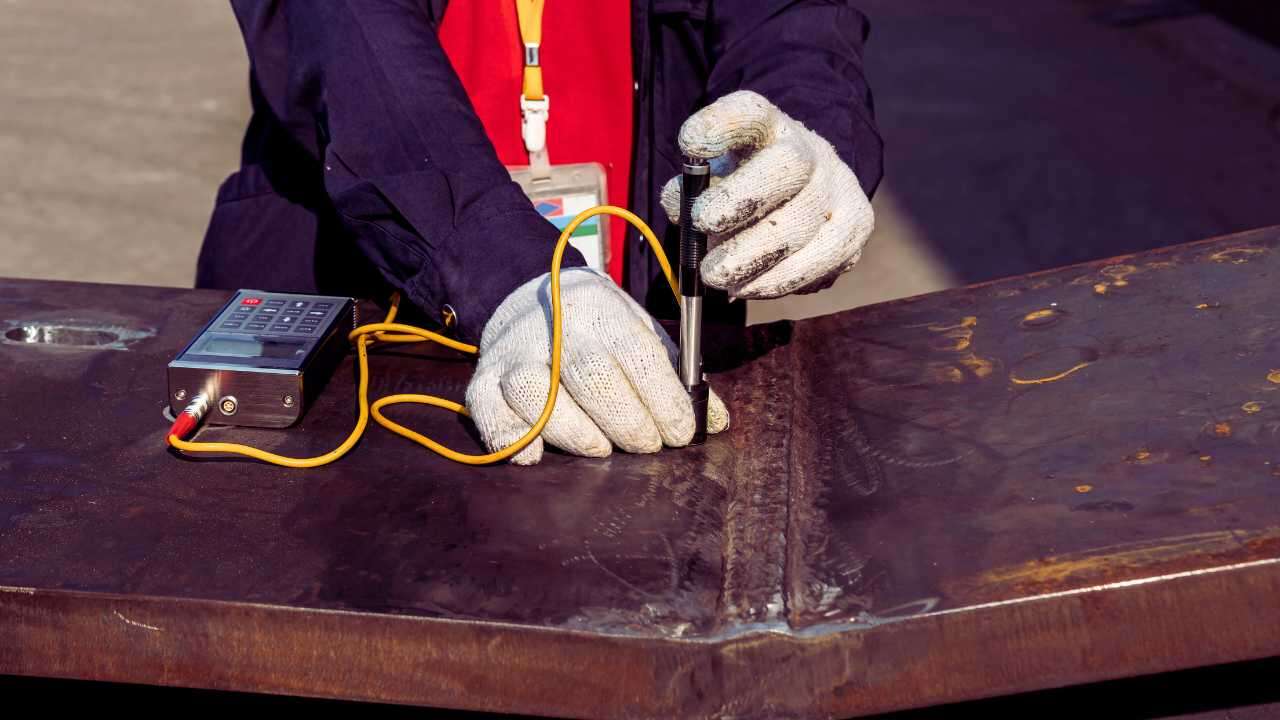
The Brinell hardness test involves pressing a hardened steel or carbide ball of a specific diameter into the surface of the material under a known load. The Brinell Hardness Number is calculated based on the diameter of the indentation left by the ball after the load is removed — a higher BHN indicates a harder material that resists indentation more effectively. This quantifiable measure provides a crucial benchmark for assessing a material's suitability for abrasive environments.
Why Hardness is Paramount for Crusher Wear Parts
Hardness directly correlates with a material's ability to resist scratching, gouging, and deformation. When a wear part is sufficiently hard, it maintains its profile and structural integrity against abrasive particles, ensuring the crusher maintains its designed geometry and performance characteristics over a longer period. Softer materials deform and abrade more rapidly, leading to reduced efficiency, inconsistent product gradation, and escalating maintenance costs.
Hardness Comparison: Crusher Wear Part Materials
(as-cast)
Manganese Steel
Alloy Steel
Alloy / White Iron
The Advanced Metallurgy Behind 600–700 HB Durability
Engineered Alloy Composition
High-chromium, molybdenum, and sometimes tungsten or vanadium additions promote the formation of complex, hard carbide phases within the material matrix — the primary driver of extreme wear resistance.
Optimized Microstructure
Through precisely controlled heat treatment, the material develops extremely fine martensite, high carbide concentrations, or bainitic structures specifically optimized for extreme wear environments.
Precision Manufacturing Control
Controlled pouring temperatures, cooling rates, and heat treatment cycles must be executed with exacting precision. Deviation from specified parameters at any stage compromises the final hardness and microstructure.
The Significance of the 600–700 HB Range for Extreme Applications
While many wear-resistant steels offer hardness levels below 600 HB, the 600–700 HB range represents a premium category designed for the most arduous conditions — crushing ultra-hard materials like granite, basalt, or certain metallic ores where lower-hardness parts experience accelerated wear and frequent failures. This is not an incremental improvement; it represents a paradigm shift in component longevity for operations where standard wear-resistant solutions fall short.
Achieving 600–700 HB is not just a matter of sourcing a harder steel. It demands advanced alloy composition, precisely executed heat treatment, and quality assurance at every stage of manufacturing — the kind of foundry expertise that separates a reliable 600 HB part from one that fractures under load.
Tangible Benefits: The Operational and Economic Impact
Significantly Extended Service Life
The most direct benefit: components capable of withstanding extreme abrasion and impact last considerably longer than their softer counterparts, translating directly to reduced replacement frequency and fewer shutdowns for part changes.
Enhanced Throughput & Consistent Performance
As wear parts degrade, crusher efficiency diminishes and product gradation becomes inconsistent. Parts that maintain their geometry for longer ensure the crusher operates at optimal capacity — higher throughput, more consistent product quality.
Substantial Reduction in Maintenance Costs
Fewer part replacements mean less associated labor — disassembly, part removal, installation, reassembly. Combined with reduced downtime, the initial premium of 600–700 HB parts generates substantial savings across the component's full lifecycle.
Increased Operational Reliability & Predictability
Unscheduled downtime from premature wear part failure is highly disruptive. Parts manufactured to 600–700 HB offer higher reliability and predictable wear patterns — enabling better maintenance planning and smoother, more consistent operations.
Hardness vs. Toughness: Striking the Critical Balance
Premature Failure Risk
Surface hardness alone — where only the outer shell is hardened — offers a false sense of security. Once the hard surface layer is abraded through, the soft core degrades rapidly. Under high impact, the brittle surface layer can chip or fracture catastrophically.
Robust Wear Resistance
True through-hardness means the desired 600–700 HB property extends throughout a significant portion of the component's cross-section. This provides robust, consistent resistance to wear and stress from all angles — wear performance is predictable from installation to end-of-life.
The metallurgical design for 600–700 HB must account for the critical interplay between hardness and toughness. A part that is hard enough to resist abrasion but tough enough to absorb impact without fracturing — that is the engineering challenge that separates exceptional wear parts from merely hard ones.
Verifying Quality: Sourcing 600–700 HB Crusher Wear Parts
Buyer's Checklist for 600–700 HB Wear Parts
Supplier Reputation & Track Record
Choose manufacturers with a proven history of producing high-performance wear parts at elite hardness levels. Ask for references from comparable applications.
Detailed Material Specifications
Request complete specifications for alloy composition and the target Brinell hardness range. A reputable supplier should provide this without hesitation.
Hardness Testing Data & Certifications
Ensure hardness testing data is provided for each batch, along with relevant material certifications. Confirm that both surface and through-hardness are documented.
Warranty on Wear Parts
Inquire about warranties offered on the wear parts — a manufacturer confident in their 600–700 HB specification will stand behind it with a performance guarantee.
Application Suitability Confirmation
Confirm that the specific part design and alloy selection are optimized for your crushing application — the right hardness in the wrong part geometry still underperforms.
Continuous Innovation: The Future of Ultra-Hard Wear Parts
The quest for ever-greater durability is ongoing. Innovations such as advanced surface treatments — including biomimetic laser surface treatments — are being explored to create even harder, more resilient surfaces or to imbue materials with self-healing properties. While 600–700 HB represents a current pinnacle of achievable hardness for robust, production-ready wear parts, future advancements promise further enhancements in material performance. Operations that partner with foundries at the leading edge of these developments will be best positioned to benefit as the technology matures.
Conclusion: The 600–700 HB Advantage
The adoption of crusher wear parts engineered to achieve a Brinell Hardness of 600–700 HB is a strategic decision for operations seeking to overcome severe wear challenges. These components are not merely replacements — they are enhancements that deliver a significant step-change in durability, performance, and economic efficiency.
By understanding the advanced metallurgy, precise manufacturing processes, and critical balance of mechanical properties involved, operators can confidently select wear parts that extend service life, reduce maintenance burdens, and elevate overall productivity. Investing in the superior resistance and longevity offered by 600–700 HB wear parts is an investment in the sustained success and profitability of your crushing operations.
Need 600–700 HB Crusher Wear Parts You Can Verify?
Dews Foundry provides full material specifications, hardness testing data, and certifications — so you know exactly what you're putting into your equipment.
Explore Our Crusher Wear Parts →
