
Blow Bar Cracking: Why It's Normal Wear & How to Optimize Performance
Cracking in blow bars isn't a sign your equipment is failing — it's a sign it's working. Understanding the difference between normal wear and critical failure is what separates reactive downtime from proactive control.
In This Guide
- The Role of Blow Bars in Impact Crushers
- The Science Behind Blow Bar Cracking
- Material Choices: Chrome vs. Manganese
- Normal Wear vs. Premature Failure
- Operational Factors That Drive Cracking
- Optimizing Blow Bar Performance
- Repair, Rotation & Replacement Strategy
- The Economic Impact of Blow Bar Management
- Conclusion
The Essential Role of Blow Bars in Impact Crushers

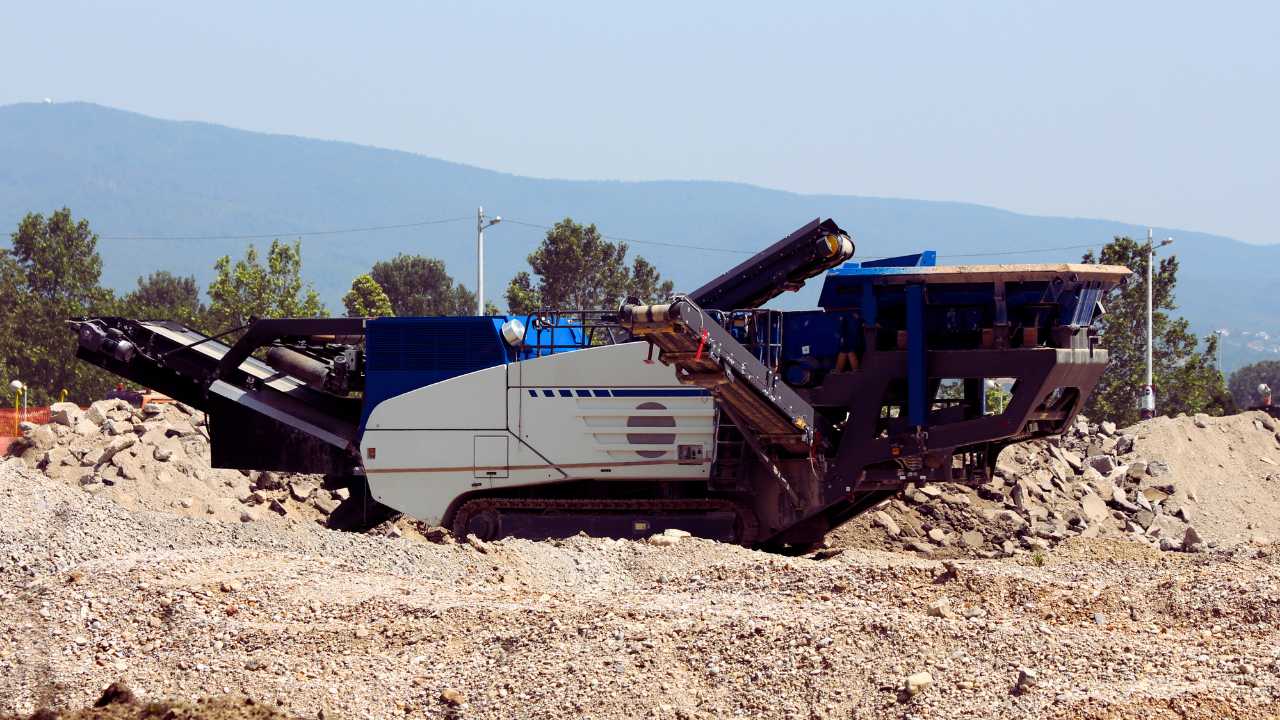
Inside an impact crusher, blow bars mounted on a high-speed rotor strike material and hurl it against breaker plates — immense impact forces cause fracturing with every rotation.
Impact crushers are designed to break down materials through high-speed impact. Blow bars — also known as impact plates or hammers — are the primary point of contact for incoming material. Mounted on the rotor, their high velocity flings material against a breaker plate or other blow bars, causing it to fracture. The design and material of these bars are engineered to withstand enormous impact forces, abrasion, and thermal stress, but their very function means they are sacrificial components.
Their performance directly dictates the efficiency of the crushing process, the quality of the final product, and overall throughput. Understanding how blow bars wear — and what cracking actually signals — is essential to running a profitable crushing operation.
The Science Behind Blow Bar Cracking
Three Forces Working Against Your Blow Bars
Impact
The primary force. Incoming material strikes the blow bar at high velocity, causing fracturing and chipping with every pass. High-energy impacts are unavoidable — they are the mechanism of crushing itself.
Primary Wear DriverAbrasion
As material grinds against the blow bar surface during and after impact, it steadily erodes the surface profile. Harder, more angular feed materials dramatically accelerate abrasive wear rates.
Surface DegradationThermal Cycling
Heat generated during crushing causes the metal to expand and contract with each cycle. This repeated thermal stress creates material fatigue over time, promoting crack initiation at grain boundaries and stress concentrations.
Long-Term FatigueHow Material Fatigue Leads to Cracks
When materials are subjected to repeated cycles of stress, they undergo fatigue. Each impact, each pass of abrasive material, creates microscopic deformations. Over time, these propagate into larger fractures. The metallurgical grain structure of the metal plays a crucial role: a fine, uniform grain structure offers better resistance to fatigue crack initiation and propagation. A loose blow bar compounds this rapidly — improper securing concentrates stress at specific points, accelerating the fatigue process significantly.
Material Choices: High-Chrome White Iron vs. Manganese Steel
High-Chrome White Iron
Delivers exceptional hardness through a carbide-rich microstructure. Superior resistance to surface abrasion makes it the right choice when feed material is consistently abrasive but impact loading is moderate.
Manganese Steel
Known for work-hardening properties that see the surface become progressively harder under repeated impacts. Superior toughness and ductility make it the right choice when shock loading is severe and fracture risk is the primary concern.
Normal Wear vs. Premature Failure: Reading the Signs
Predictable, Manageable Degradation
- Gradual erosion and surface rounding
- Surface cracks following direction of impact or abrasion
- Predictable shape change over service life
- Performance declines measurably but progressively
- Wear patterns consistent across multiple bars
- Replacement planned based on established wear rate
Sudden, Unpredictable Degradation
- Sudden, catastrophic fracture of the bar body
- Large spalling or chunking of material
- Cracks propagating through critical stress sections
- Uneven wear patterns vs. adjacent bars
- Visible looseness or movement during operation
- Abnormal vibration or noise signatures
Differentiating normal from premature wear requires regular, documented inspections — not guesswork. When operators know what the bar looked like at install, after 100 hours, and after 500 hours, they can project end-of-life accurately and replace proactively rather than reactively.
Operational Factors That Drive Cracking
Feed Material Characteristics
Feed material hardness, size, and composition are major determinants of wear rate. Oversized feed generates higher impact forces than the blow bar design accommodates. Significant variation in moisture content affects material flow and can increase abrasive loads unpredictably. The grain size and mineralogy of the feed material are critical inputs to material selection decisions.
Rotor Speed & Impactor Settings
Rotor speed and gap settings directly determine the intensity of impacts and overall stress on the blow bars. Excessive speed or overly tight settings can dramatically increase wear rates and cracking probability. Finding the optimal balance between throughput and wear requires monitoring and adjustment — not a set-and-forget approach.
Blow Bar Securing & Installation
A loose blow bar is an accelerated wear problem. If securing bolts or wedges loosen, the bar can move during operation — concentrating stress at specific points and creating uneven wear patterns that shorten lifespan dramatically. Verifying correct torque and mounting system integrity at every maintenance interval is non-negotiable.
Maintenance Schedule Discipline
A robust maintenance schedule is the bedrock of blow bar longevity. Regular inspections, cleaning, and adherence to manufacturer rotation and replacement recommendations are essential. Predictive maintenance programs — those that anticipate issues before they occur — can extend asset lifespans by 20% to 40%, with 95% of adopters reporting a positive ROI.
Optimizing Blow Bar Performance
Material Selection: Match the Blow Bar to the Application
Selecting the appropriate blow bar material for the specific application is the most impactful optimization decision. For highly abrasive materials, high-chrome white iron delivers superior surface resistance. For applications with severe shock loading, high-manganese steel offers better fracture resistance under dynamic stress. Consulting wear part specialists with your specific feed characteristics enables an informed, application-matched selection rather than a generic one.
Operational Adjustments for Reduced Wear
Fine-tuning operational parameters can meaningfully reduce blow bar wear. Optimizing feed rates to avoid overloading, adjusting rotor speeds to balance throughput against wear, and ensuring consistent material feeding to prevent shock loads all contribute. Educating operators on the wear impact of their daily settings decisions creates a culture of efficiency that compounds over time.
Blow Bar Rotation & Reversal Strategy — Maximizing Each Bar's Usable Life
Repair, Rotation & Replacement Strategy
Minor, Isolated Surface Damage
- Small chips on non-critical wear surfaces
- Minor build-up welding is feasible for some designs
- Damage is isolated, not extending toward stress sections
- Manufacturer guidelines explicitly permit repair
Performance or Safety Is Compromised
- Cracks extending deep into the bar body
- Cracks crossing critical stress sections
- Wear has reached the replacement threshold per wear rate tracking
- Inconsistent performance or abnormal vibration signatures
- Any sign of imminent catastrophic fracture risk
Using high-quality aftermarket alternatives that match OEM specifications is crucial. Parts designed and manufactured to meet stringent specifications for material composition, dimensions, and heat treatment deliver predictable wear life. Inferior parts lead to accelerated wear, premature cracking, and increased risk of failure — costing more in the long run than the initial savings on purchase price.
The Economic Impact of Effective Blow Bar Management
Effective blow bar management directly translates to measurable economic benefits. Less frequent replacements reduce capital expenditure on wear parts. Optimized blow bars maintain the crusher at peak efficiency, minimizing energy consumption per ton processed. Worn or damaged bars make the crusher work harder — increasing energy consumption while simultaneously reducing throughput and product consistency.
Conclusion: From Concern to Competitive Advantage
Blow bar cracking is an inherent aspect of high-performance crushing operations. Rather than viewing it solely as a problem, understanding it as a sign of work — a natural consequence of immense forces at play — allows for a strategic and proactive approach.
By delving into the science of material behavior, diligently monitoring for early signs of wear, understanding the impact of operational factors, and implementing robust rotation and replacement strategies, operators can significantly extend blow bar lifespan, enhance crusher efficiency, and reduce overall operating costs. The investment in understanding and managing blow bar performance yields substantial economic benefits — transforming a wear component into a lever for enhanced profitability.
Need Blow Bars Engineered for Your Application?
Dews Foundry manufactures high-chrome and manganese blow bars to specification — matched to your feed material, crusher type, and operational demands.
Explore Our Crusher Wear Parts →
